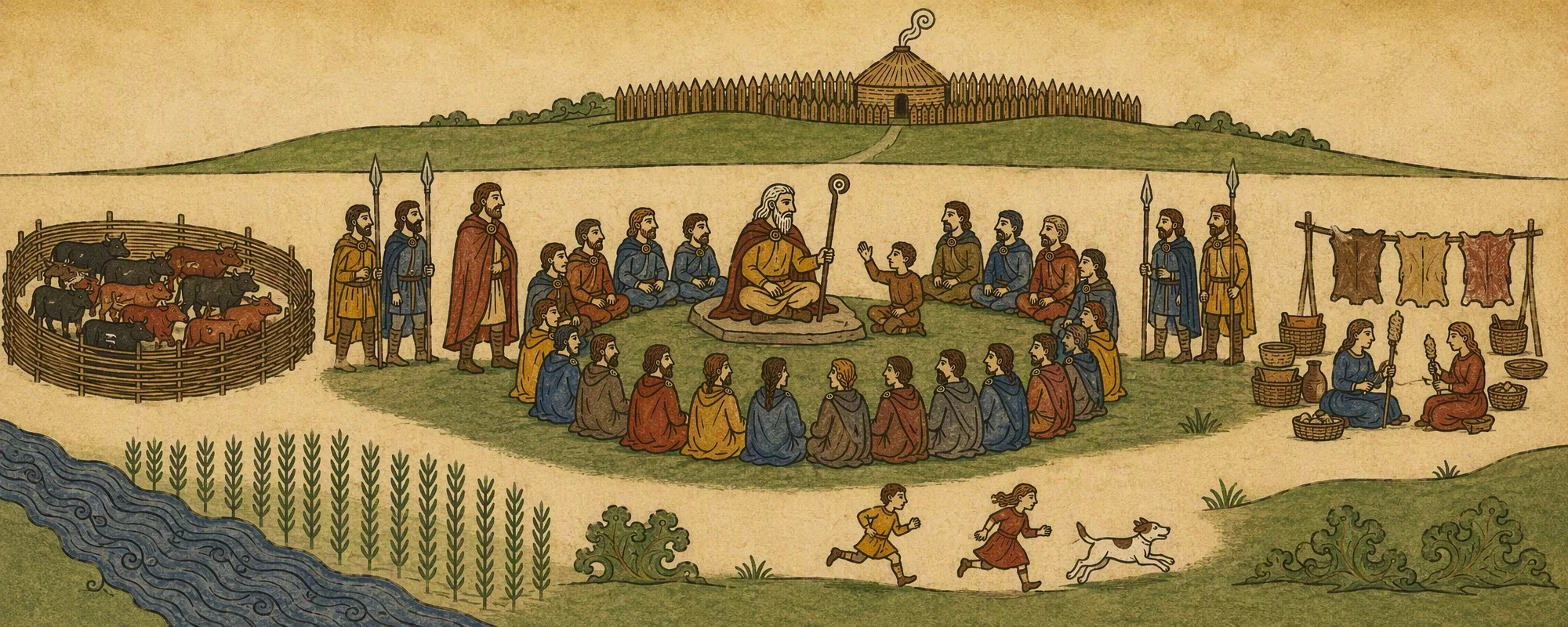
Early Irish law put a price on a person’s face.
Scholars say
Before the English courts there was another law in Ireland, kept by judges who learned it by heart. It gave free people an honour-price, set by rank, in Irish lóg n-enech, “the price of the face”. Here the law is told one case at a time, as a neighbour might have brought it to the judge. Hear the quarrel, give your own judgment, then see what the law said.
 Before the English courts there was another law in Ireland, kept by judges who learned it by heart. It gave free people an honour-price,
Your judgments so far
One stroke for each case: green where you and the law agreed, red where you differed. Kept only in this browser. The rank is our own game, not history. See each judgment
Start here
Today’s case
Four more to begin with
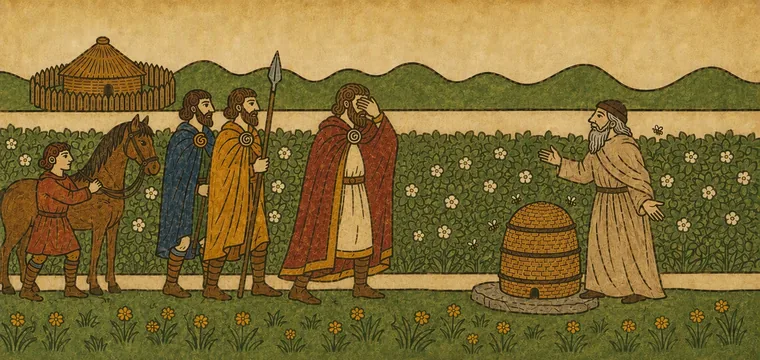 The Bee That Blinded a KingA bee blinds a man in one eye, and no one can say which of the beekeeper’s hives it came from. What does the law do?
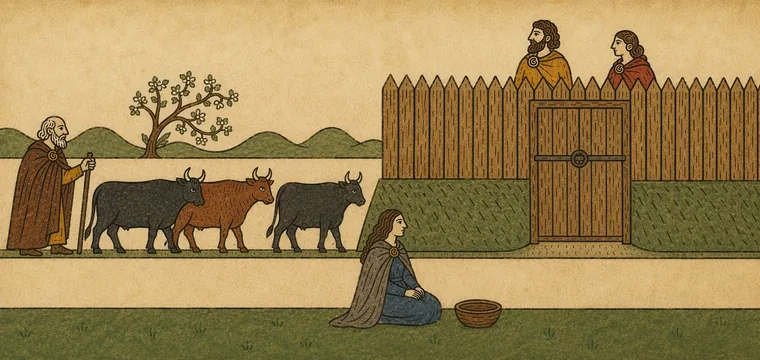 Fasting upon a LordA lord’s cattle are driven across a woman’s land, and the lord will not pay the fine. What can she do?
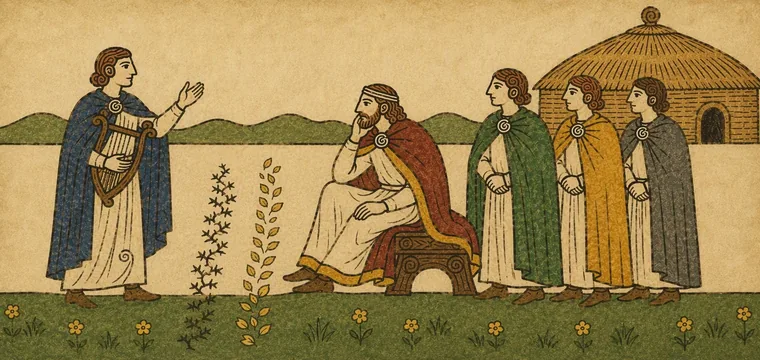 The King Who Was Satirised and PraisedA king is satirised, and then a praise-poem for him is published. Is his honour still harmed?
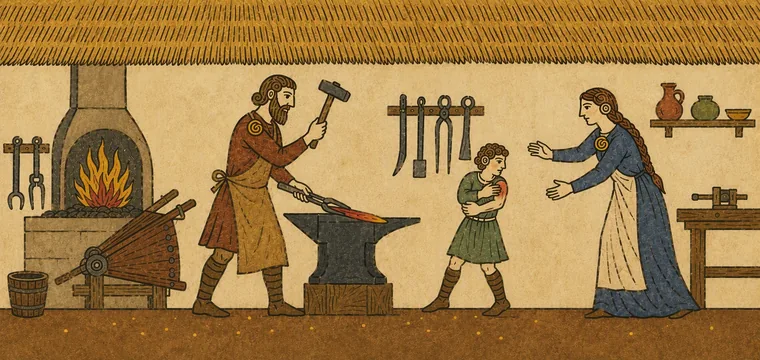 The Smith’s ForgeA boy creeps up to a smith at work and is burned. Does the smith pay?
All the cases
Added most recently: The Foster-Son Fetched Home, The Cat in the Kitchen, The Guest Turned Away, The Stone at the Ford, The Mill-Race.
Neighbours and their animals
Trees, fences, water and beasts that stray: the quarrels of people who farmed side by side.
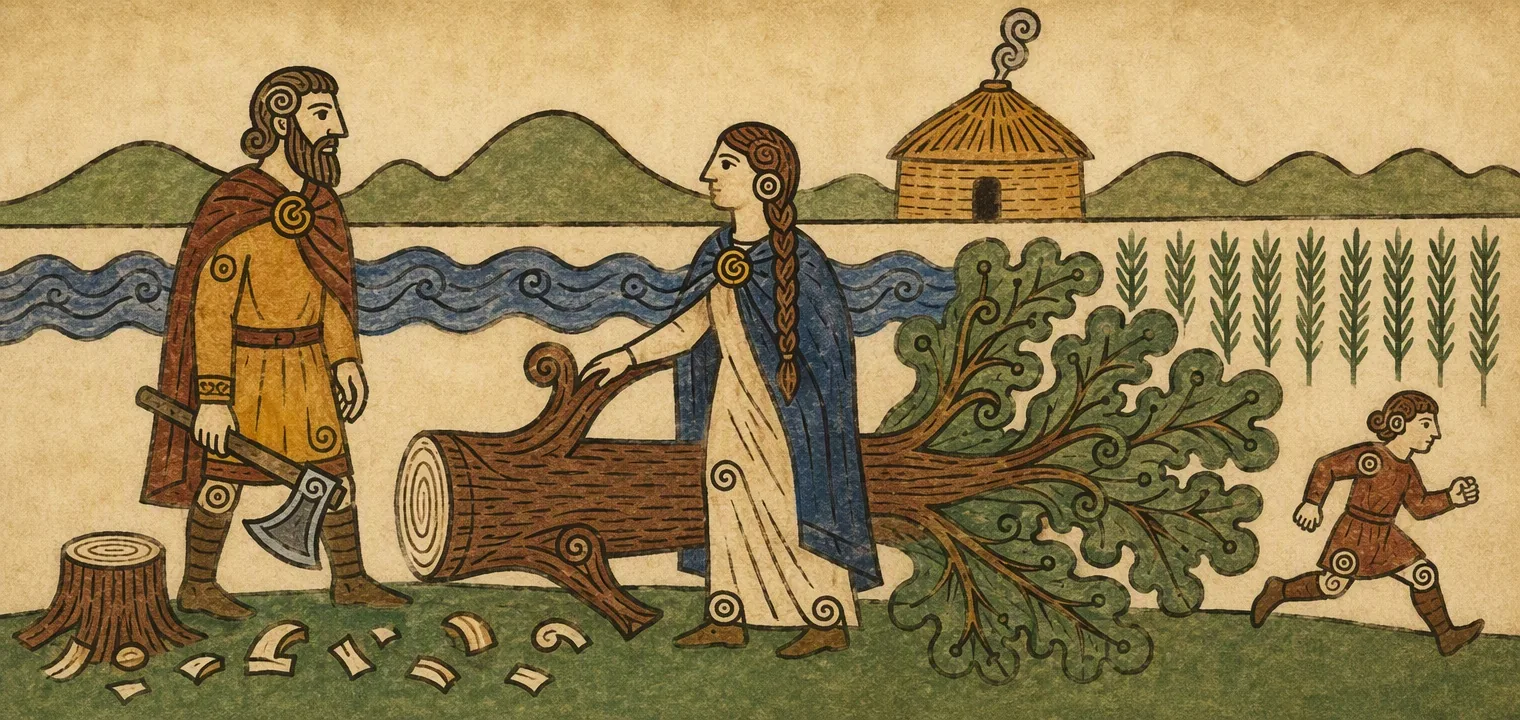
 The Felled OakA man cuts down an oak that stands on his neighbour’s land. What does he owe?
 The Neighbour’s ApplesAn apple tree on one man’s land drops its fruit on his neighbour’s. Whose is the fruit?
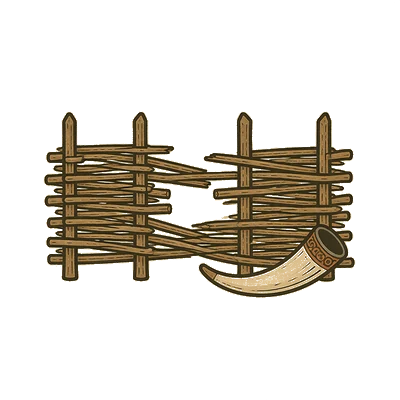 The Gap in the FenceA neighbour’s oxen break through a poor fence and eat your barley. Can you claim?
 The Dog on the Neighbour’s LandA dog fouls a neighbour’s field. What does its owner owe?
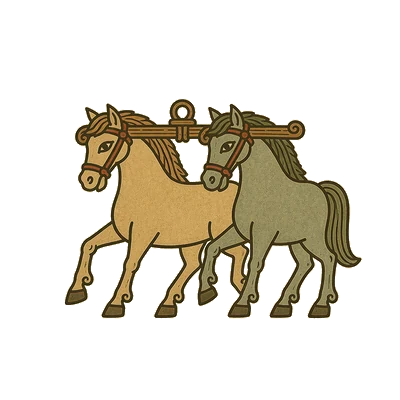 The Rooting PigsA neighbour’s pigs tear up your field. How does the law decide when you can graze it again?
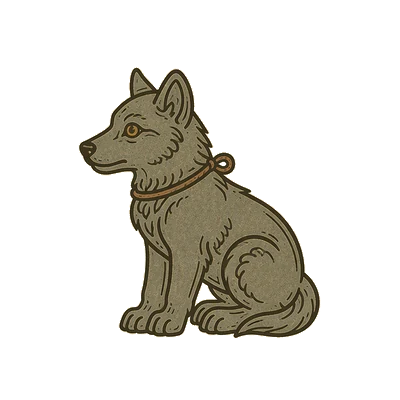 The Pet WolfA tame wolf goes over the hedge and kills a neighbour’s hen. Who answers for a wild thing that has been made a pet?
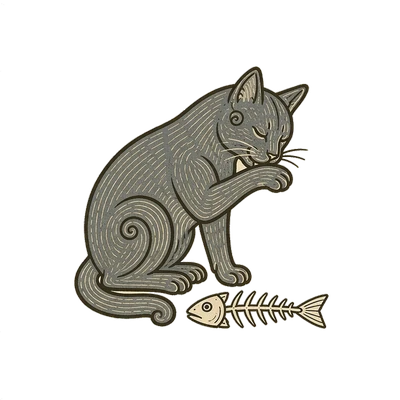 The Cat in the KitchenA neighbour’s cat comes into the kitchen and eats the fish left out for supper. Does the cat’s owner have to pay?
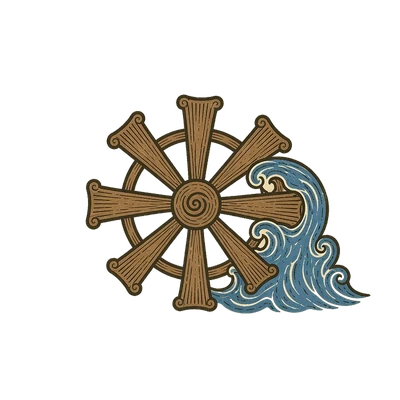 The Mill-RaceA man building a mill can bring the water to it only through his neighbour’s field. Can the neighbour refuse?
Bees
Bees had a law-text of their own: stings, swarms, and whose the honey is.

Injury, accident and need
A person hurt or killed, harm that no one meant, and want that excuses a taking.
 Nine Days’ CareA man is wounded in a quarrel and cannot work. Who nurses him, and who pays?
 The Smith’s ForgeA boy creeps up to a smith at work and is burned. Does the smith pay?
 The Woodcutter’s ShoutA felled tree strikes a passer-by. Does the woodcutter pay?
 The Overloaded FerryA ferry sinks and a passenger drowns. Does the ferryman pay?
 The Boys’ GamesA boy is hurt at a game. Who owes him?
 The Stone at the FordA man with an intellectual disability throws a stone, and it strikes a passer-by. Who pays for the wound?
 The CravingA pregnant woman takes a handful of her neighbour’s barley. Is it theft?
 The Body-FineA free man is killed. Who is paid, and by whom?
Debt and distraint
Being owed, and what a creditor could take, or could not.
 Fasting upon a LordA lord’s cattle are driven across a woman’s land, and the lord will not pay the fine. What can she do?
 Distraint on the PhysicianA physician owes a debt and will not pay. What does the plaintiff do?
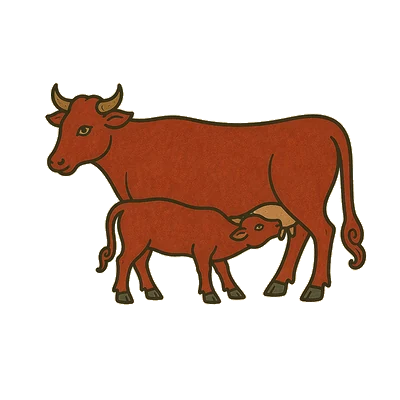 The Cow That Had Just CalvedA creditor drives off a cow that has just calved. Is that lawful distraint?
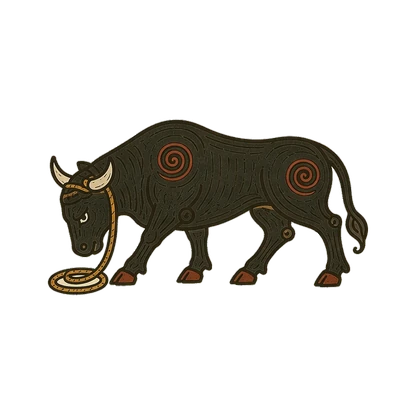 The Surety Beyond His MeansA man stands surety for a debt larger than his honour-price. Does his suretyship hold?
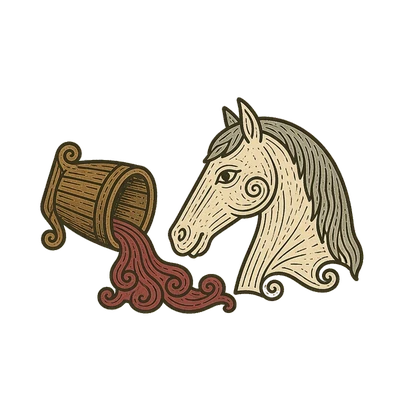 The Bargain Made in DrinkA man sells his best mare at a feast, while drunk. Is the sale binding?
Honour, kings and judges
What a name was worth, what a poet could do to it, what a king could do to his own, what a shut door cost, and how an English court ended the old way of choosing a chief.
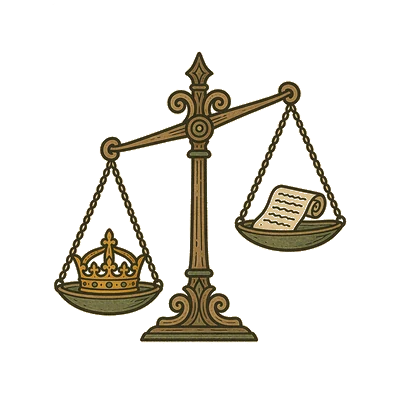 The King Who Was Satirised and PraisedA king is satirised, and then a praise-poem for him is published. Is his honour still harmed?
 The Poet’s WarningA lord will not pay what he owes. When may a poet lawfully turn to satire?
 The King and the AxeA king takes up an axe and does a day’s work with his own hands. What becomes of his honour-price?
 The Guest Turned AwayA prosperous farmer shuts his door on a law-abiding traveller at nightfall. What is the traveller owed?
 The Case of TanistryWho takes the land: the dead man’s heir by English law, or the eldest and worthiest man of his kin?
Marriage and children
A wife’s grounds for leaving her husband, and a child sent to be reared in another house.
Elsewhere in the court
- The law’s words41 words the law-texts use, from éraic to túath, each with the place we read its meaning.
- Your judgmentsThe cases you have weighed, and how often you and the law agreed. Kept only in your own browser.
- Write your name in oghamThe early Irish alphabet of strokes along a stemline, and a tool that writes a name in it.
- Mistakes we have corrected40 corrections so far, newest first. We add to the list and never take one off it.
- About the picturesImagined scenes, made with an AI image tool: what they are for and what they are not. The small drawings are there together, each with its rule.
- New cases by feedFollow the court in a feed reader. There is one entry for each case as it is added.
More cases are being read against their sources and will be added one at a time.